Paying Chinese Suppliers from Mexico: The Complete Guide
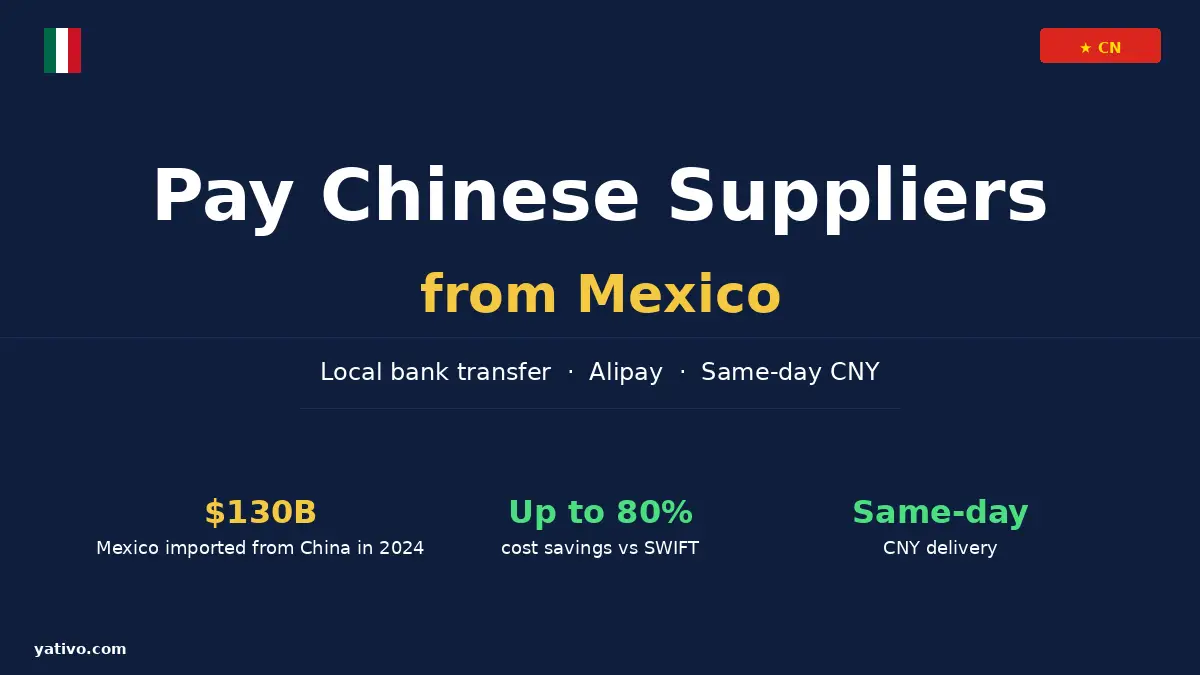
How to Pay Chinese Suppliers from Mexico (2026 Guide)
How to Pay Chinese Suppliers from Mexico (2026 Guide)
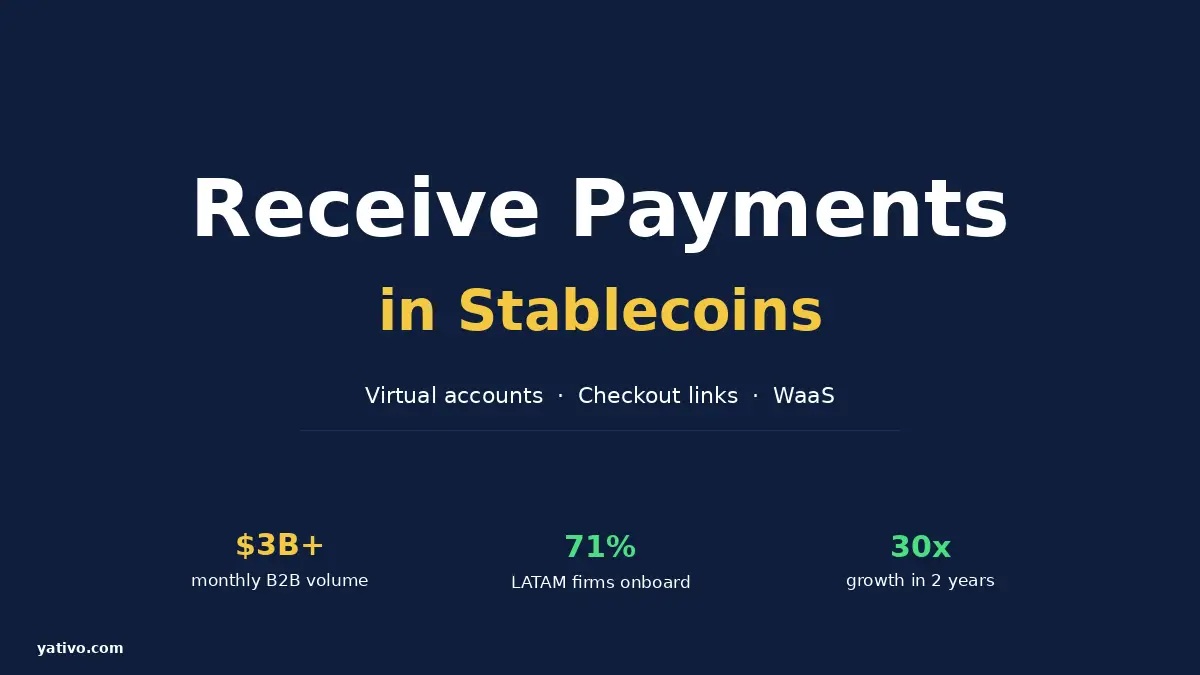
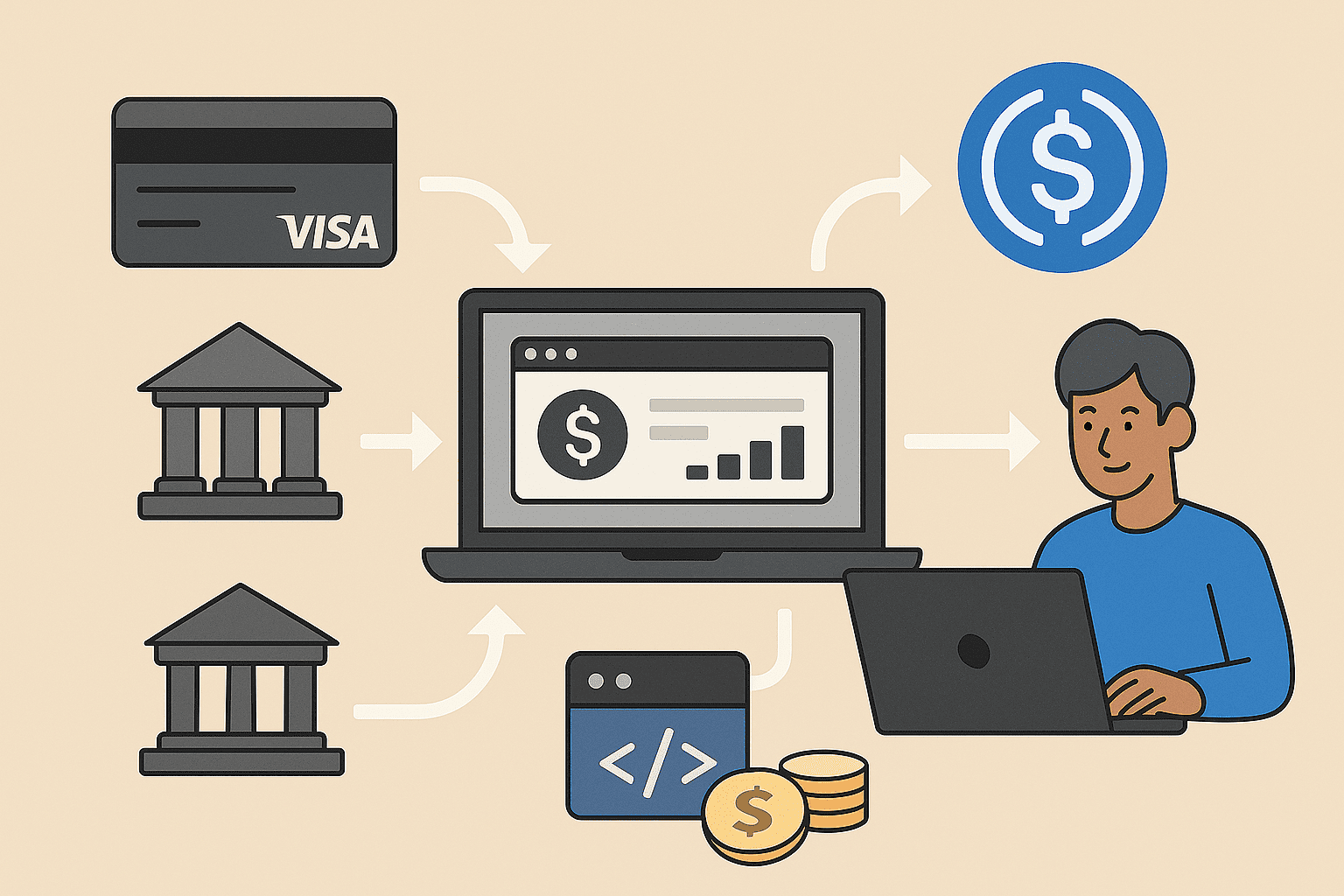
Accept cross-border payments via virtual accounts, checkout links, or WaaS. Customer pays fiat, you settle in USDC.
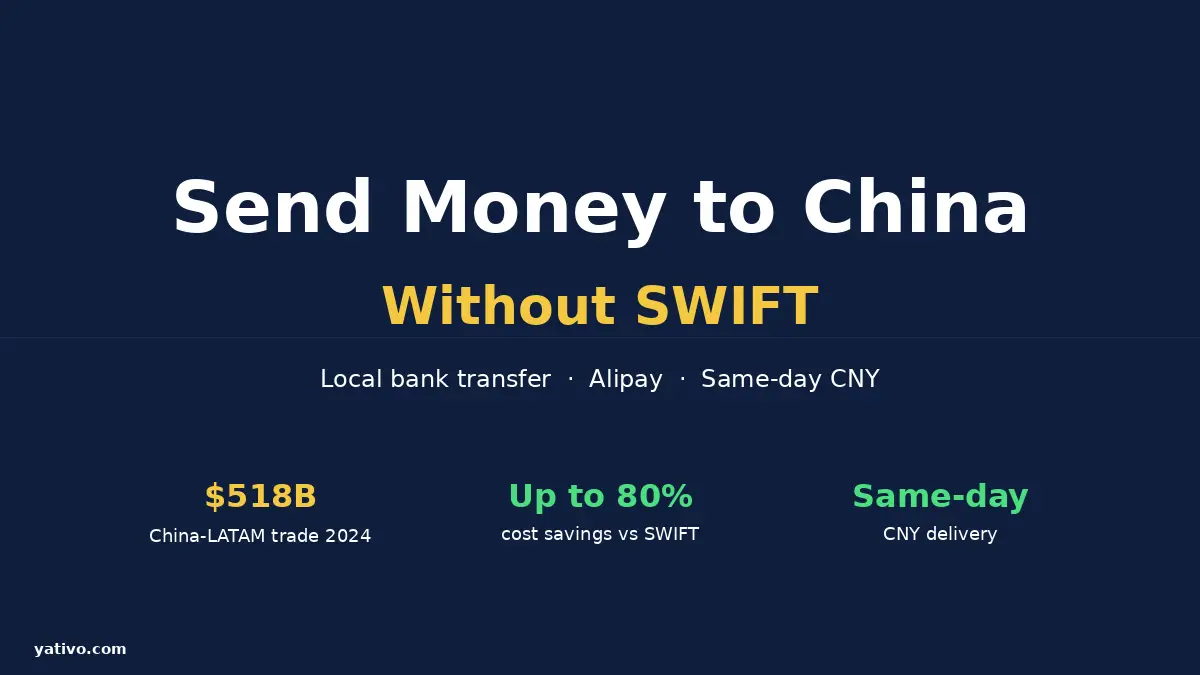
Stop losing 3-6% to SWIFT correspondent fees on China payments. Use local bank transfer, Alipay, or stablecoin rails.
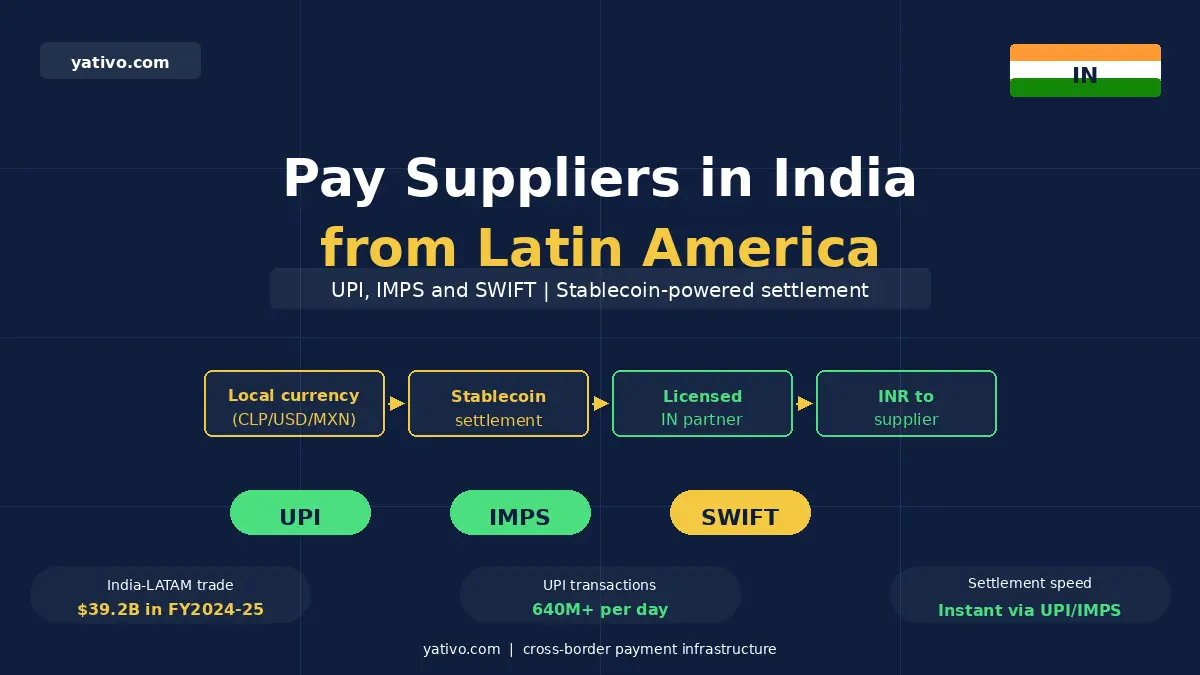
Your Indian supplier receives INR instantly via UPI or IMPS. No SWIFT delays. No hidden fees. Here is how stablecoin-powered India payouts work from LATAM.
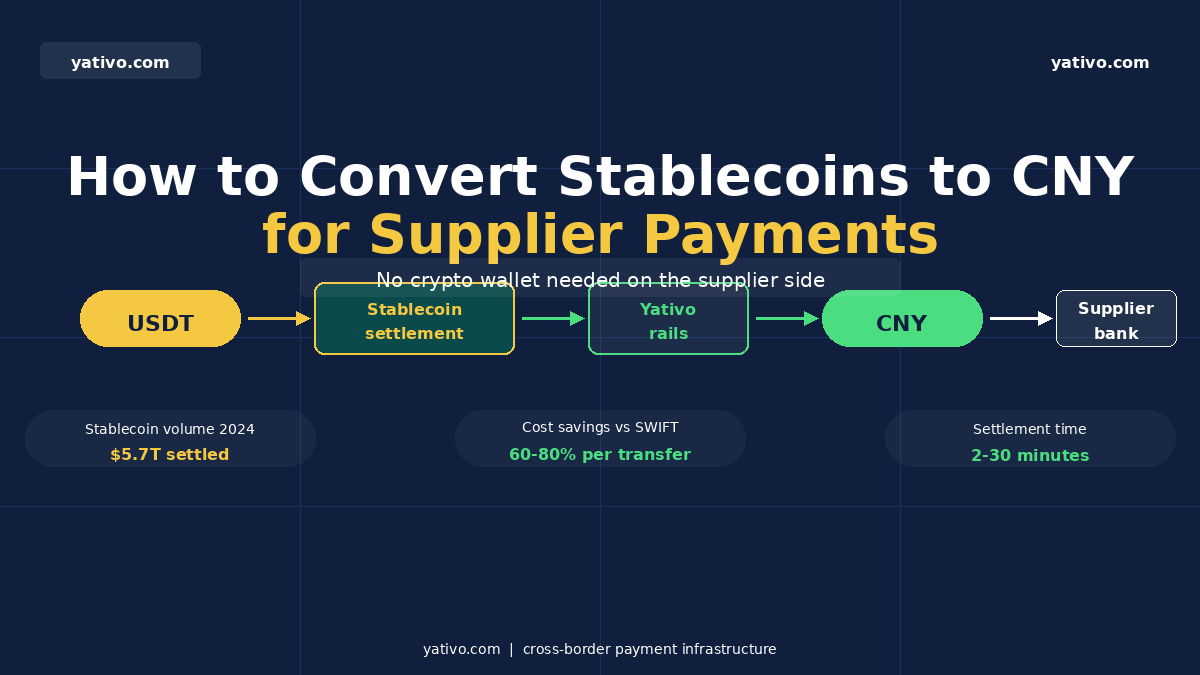
Pay Chinese suppliers with USDT or USDC. Your supplier receives CNY in their bank account, no crypto wallet needed. Dashboard and API guide inside.
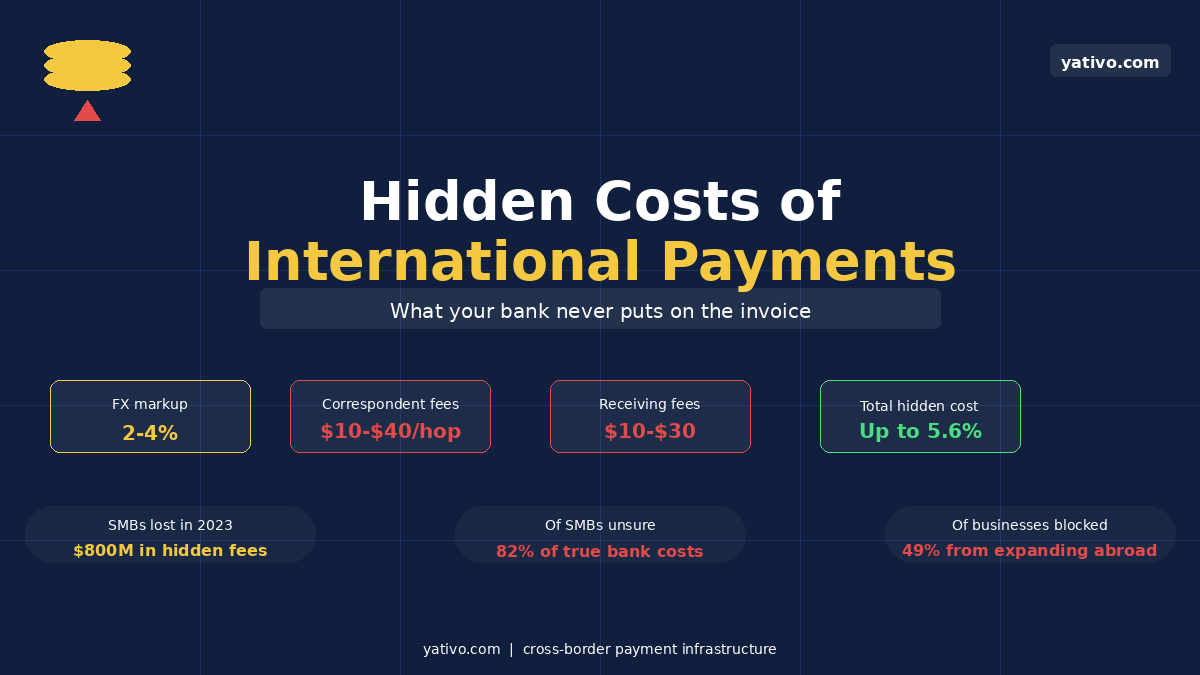
Your wire fee is the smallest cost. FX markup, correspondent fees and repair charges cost businesses up to 5.6% per transfer. Here is the full breakdown.
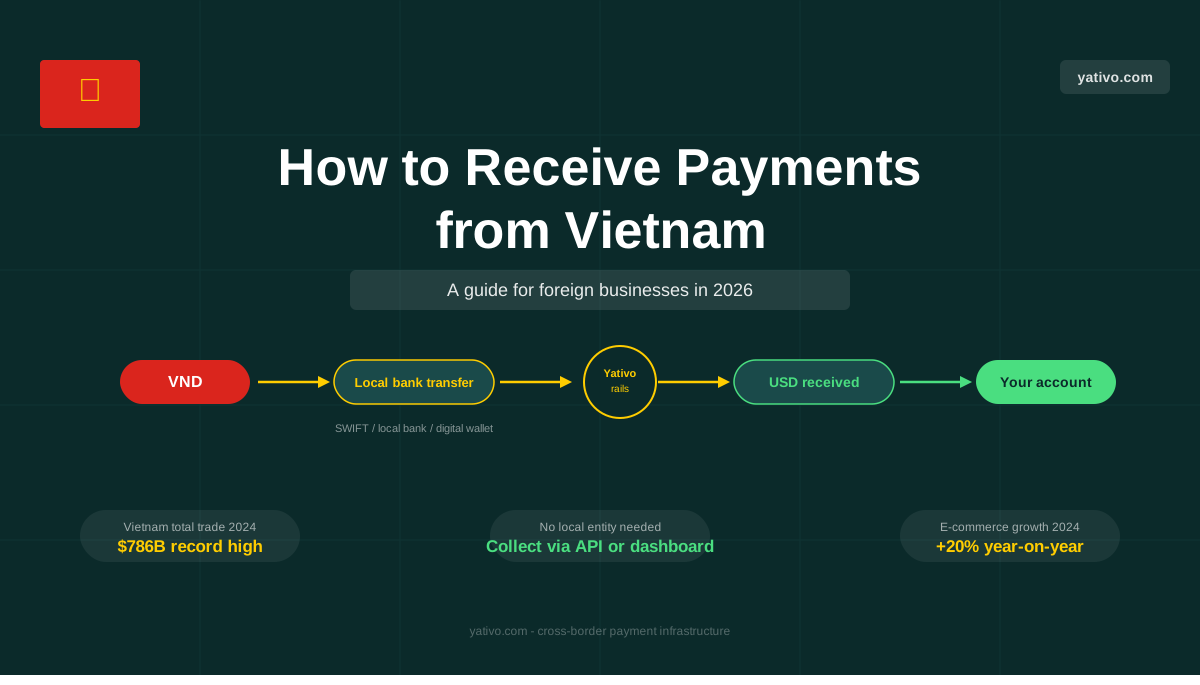
Collecting payments from Vietnam is harder than it looks. Currency controls, withholding tax, local rails. Here is how foreign businesses get paid fast.
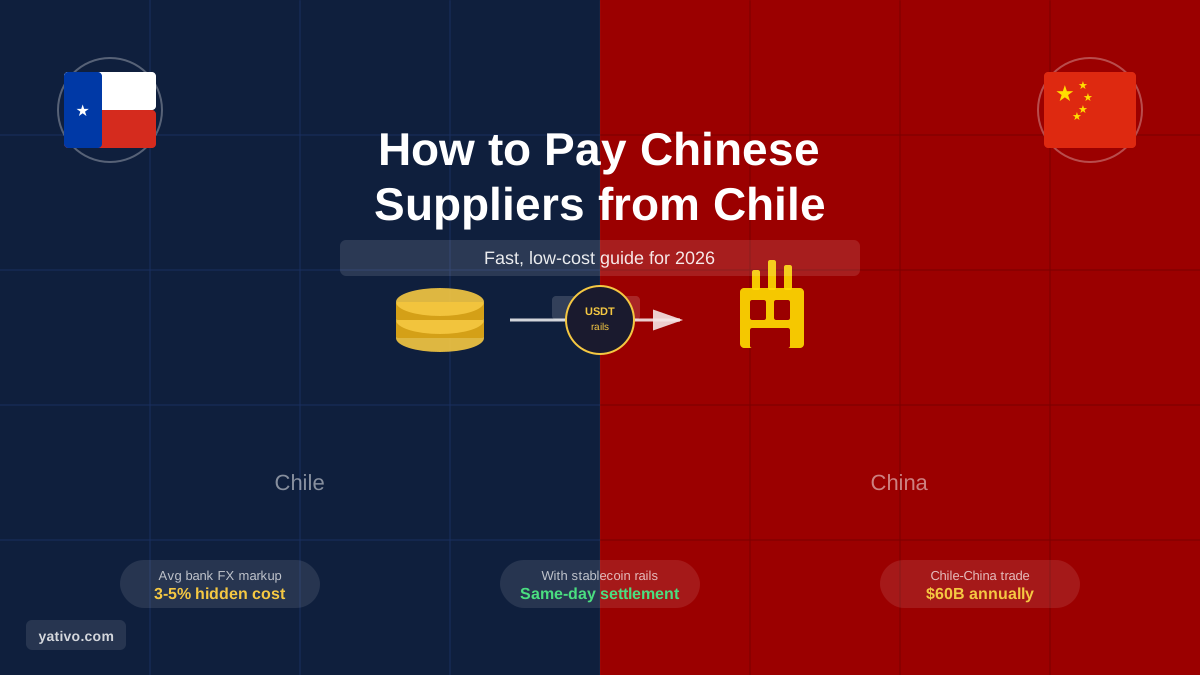
Stop losing 3-6% on SWIFT fees. Learn how Chilean businesses pay Chinese suppliers faster and cheaper using stablecoin-powered payment rails.
For foreign businesses, accepting PSE payments unlocks access to a massive market that prefers bank-based payments over cards. However, receiving PSE payments as a foreign entity is not simple.
Building a scalable cross‑border payments platform means integrating local rails (Pix, SPEI, SEPA), issuing virtual accounts, managing FX and treasury, embedding compliance, offering developer APIs, and wrapping it all in a clean UX.
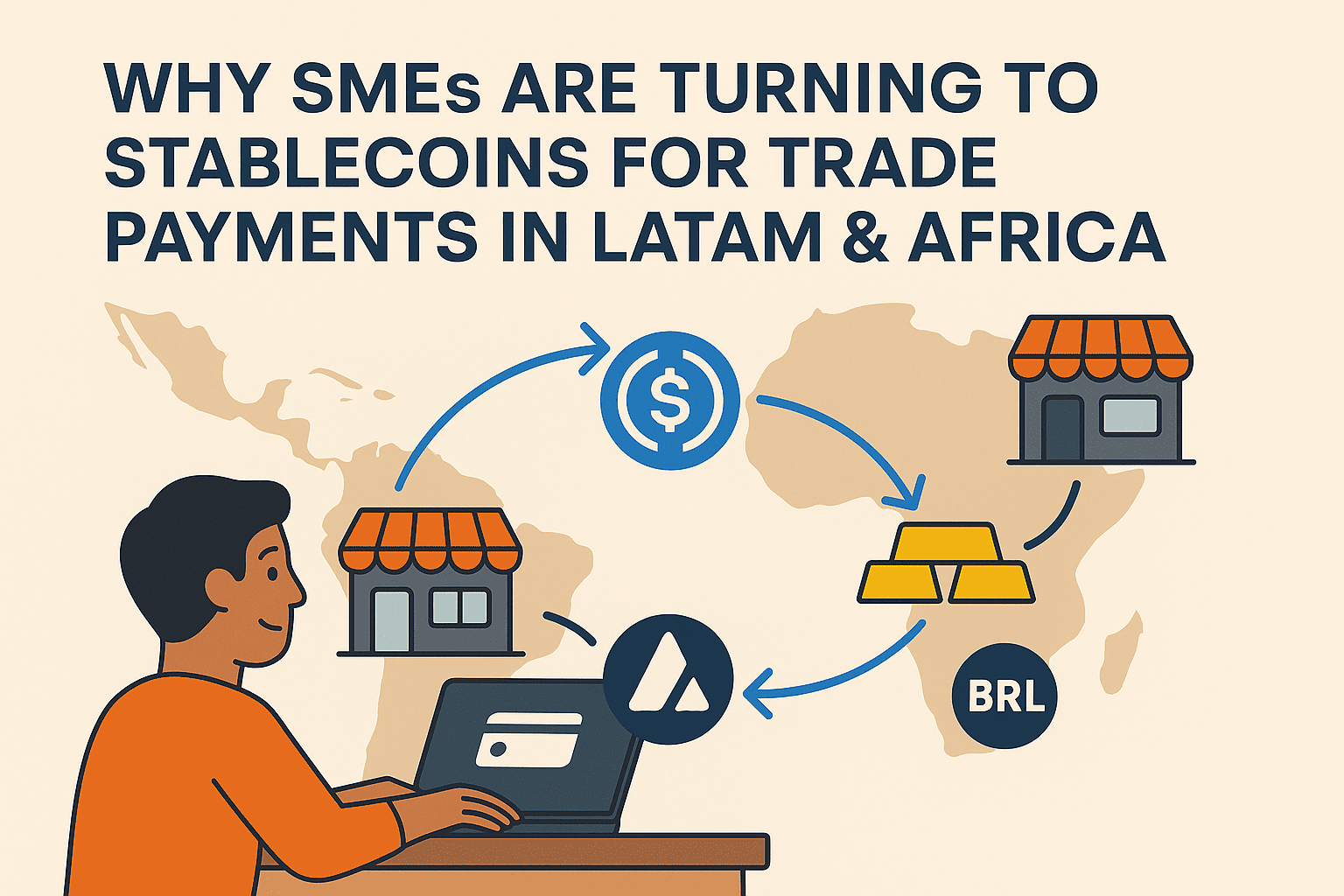
Latin American and African SMEs now face FX risk, costly remittance rails, and USD shortages, so they’re turning to stablecoins.
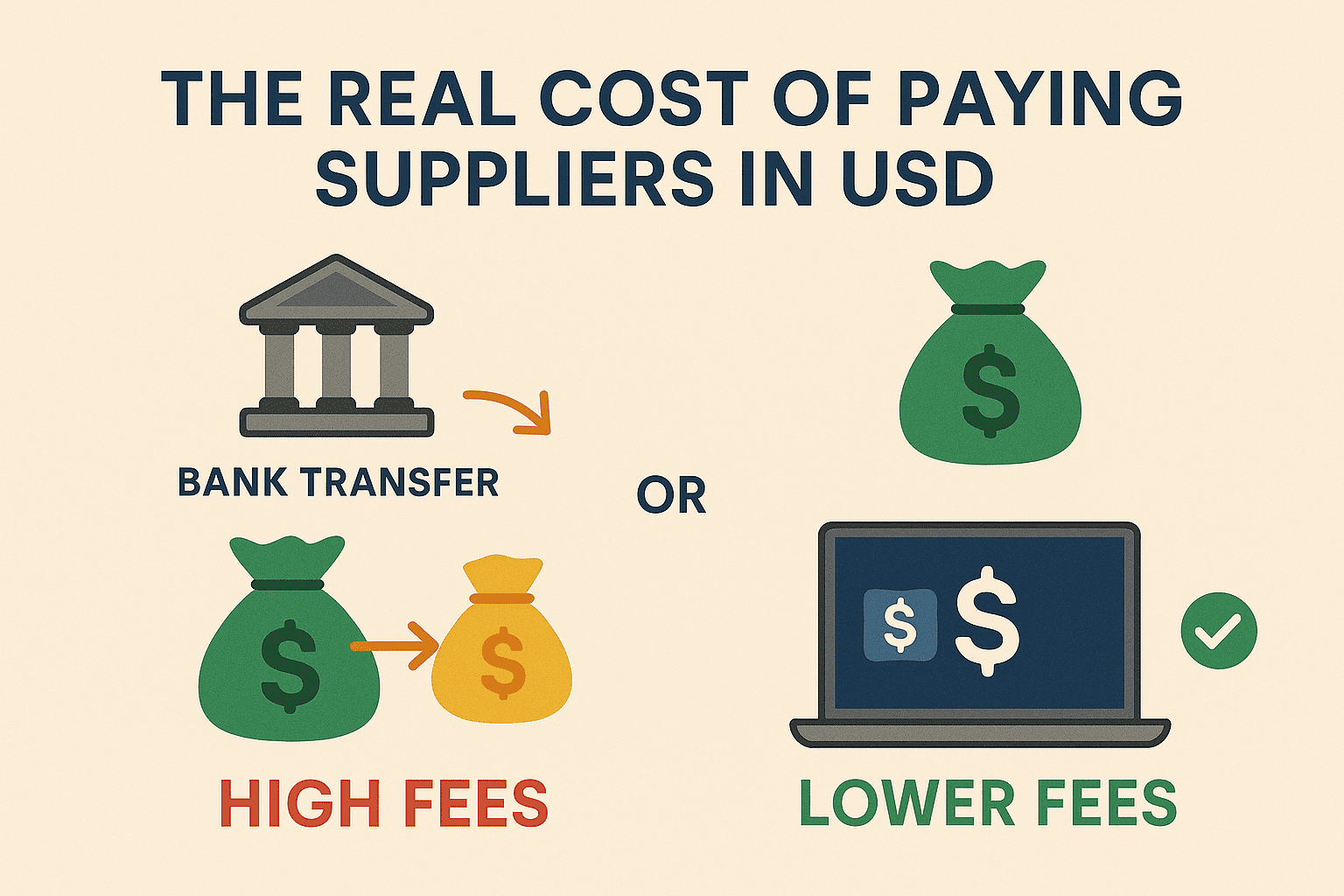
Paying suppliers in USD feels simple, but hidden bank fees, FX spreads, and delivery uncertainty eat away at margins. This guide reveals the real costs and shows how CFOs are saving 50% by switching to Yativo’s stablecoin settlement and transparent FX.